Finding CPR Classes Near You
Learning CPR is one of the most empowering things you can do. Imagine being the person who steps up in an emergency and helps save a life! Whether you’re a busy professional, a student, or just someone who wants to be prepared, finding the right CPR class nearby is easier than you think. I’m here to walk you through everything you need to know about local CPR training options, so you can get certified and confident in no time.
Why Local CPR Training Options Matter
When it comes to CPR, timing and accessibility are everything. Local CPR training options mean you don’t have to travel far or rearrange your entire schedule. You can find classes that fit your busy life, whether it’s a weekend session, an evening course, or even a quick refresher.
Local classes also tend to be more personalized. Smaller groups mean more hands-on practice and direct feedback from instructors. This is crucial because CPR is a skill you want to perform correctly and confidently. Plus, local trainers often understand the specific needs of your community, which can make the training even more relevant.
Here’s what to look for in local CPR training options:
Flexible scheduling: Look for classes that offer multiple time slots.
Certified instructors: Make sure the trainers are certified by recognized organizations like the American Heart Association.
Hands-on practice: The best classes include plenty of time to practice on mannequins.
Certification: Check that the course provides a valid CPR certification upon completion.

How to Find the Best CPR Classes Near You
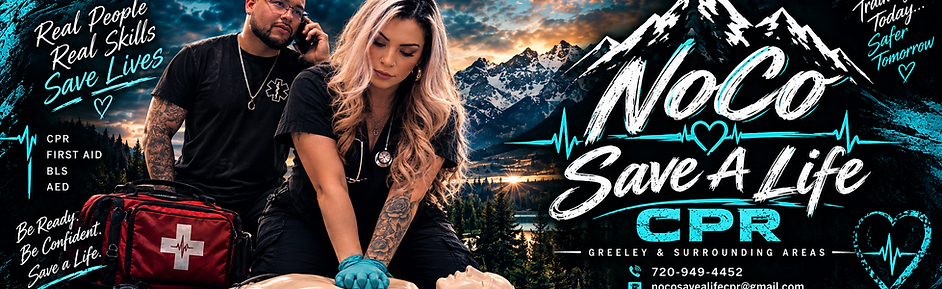
Finding the right CPR class can feel overwhelming, but it doesn’t have to be! Start by searching online for “cpr classes near me” to see what’s available in your area. For example, NoCo Save A Life cpr offers a variety of CPR courses designed to fit into your busy schedule.
Here are some tips to help you find the perfect class:
Check local community centers and hospitals: Many offer CPR training regularly.
Look for workplace training programs: Some employers provide free or discounted CPR classes.
Explore online reviews: See what past students say about the instructors and course quality.
Ask about class size: Smaller classes usually mean better learning experiences.
Confirm certification validity: Ensure the certification is accepted by employers or organizations you care about.
Remember, the goal is to find a class that fits your lifestyle and gives you the confidence to act in an emergency.

Who Offers Free CPR Classes Near Me?
You might be surprised to learn that free CPR classes are available in many communities! These are often sponsored by local health departments, fire departments, or nonprofit organizations. Free classes are a fantastic way to get trained without worrying about the cost.
Here’s where to look for free CPR training:
Local fire stations: Many offer free or low-cost CPR classes to the public.
Community health fairs: These events sometimes include CPR training sessions.
Schools and universities: Some educational institutions provide free CPR classes for students and staff.
Nonprofit organizations: Groups like the Red Cross or local health nonprofits often run free courses.
Keep in mind that free classes might fill up quickly, so it’s a good idea to sign up early. Also, check if the free class provides certification or just basic training.
What to Expect in a CPR Class
If you’ve never taken a CPR class before, you might wonder what it’s like. Most CPR courses are designed to be hands-on, interactive, and easy to follow. Here’s a quick rundown of what you can expect:
Introduction to CPR basics: You’ll learn why CPR is important and when to use it.
Hands-on practice: Using mannequins, you’ll practice chest compressions and rescue breaths.
Use of AEDs: Automated External Defibrillators (AEDs) are often included in training.
Scenario-based learning: Some classes include role-playing to simulate real emergencies.
Certification test: At the end, you’ll usually complete a skills test and a short written exam.
The best part? You’ll leave feeling ready to help someone in need. Plus, CPR certification typically lasts two years, so you’ll have plenty of time to refresh your skills.
Making CPR Training Fit Your Busy Life
I get it - life is hectic! Between work, school, and family, finding time for CPR training can feel like a challenge. But the good news is, many local CPR training options are designed with busy people in mind.
Here are some ways to make CPR training work for you:
Choose short courses: Some classes are just a few hours long.
Look for weekend or evening sessions: These fit better around work or school.
Consider blended learning: Some programs offer online theory combined with in-person practice.
Group sign-ups: Sometimes, organizing a group from your workplace or community can get you a private session at a convenient time.
By planning ahead and choosing the right class, you can easily add CPR training to your schedule without stress.
Take the First Step Today!
There’s no better time than now to get trained in CPR. Knowing how to respond in an emergency can make all the difference. Whether you want to protect your family, help your community, or meet job requirements, local CPR training options are ready and waiting for you.
If you’re ready to find a class that fits your life, check out nocosavealifecpr.com and take that first step toward becoming a lifesaver. It’s easier than you think, and the impact you can make is priceless!


Comments